Led the scaling of Unified Identity across Asia-Pacific, resulting to measurable improved experience
Company*Confidential
industryLuxury Retail
RoleDesign Lead
timeline9 months
toolsGoogle Analytics, UserTesting, Full Story, Figma
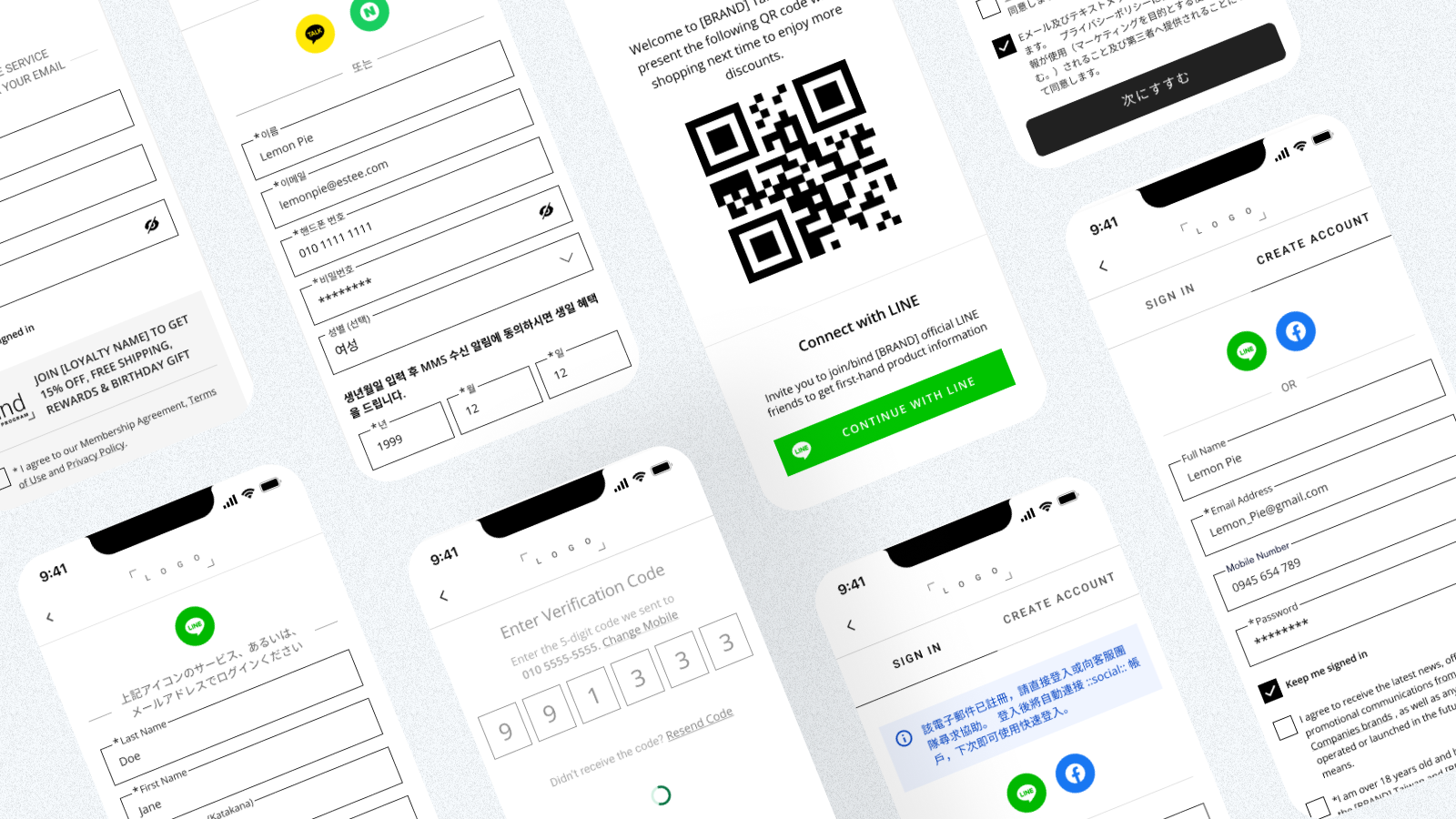
summaryAs the Product Design Lead, I spearheaded the overhaul of the IAM (Identity and Access Management) ecosystem for a diverse portfolio of brands across the APAC region. We transformed a fragmented, legacy login infrastructure into a cohesive, high-conversion authentication experience tailored to local market nuances.
Unified Architecture: Standardised the authentication framework across multiple global brands while maintaining local relevance.
Localised Social Integration: Integrated market-specific social logins (e.g., WeChat, LINE, Kakao) based on deep regional user research.
Seamless Migration: Successfully bridged the technical gap between rigid legacy systems and a modern, scalable UI/UX.
Challenges
-
01
Legacy system integration: Bridging complex, fragmented legacy authentication infrastructure with modern, responsive frontend requirements.
-
02
Regional Diversity: Harmonising global design standards with diverse local regulations, languages, and user expectations.
-
03
Cart abandonment: Removing friction points that contribute to cart abandonment during checkout
MY ROLEAs the design lead, I owned the end-to-end UX strategy and execution for the multi-brand, multi-market IAM modernization program.
Putting the user first: Conducted user research across key APAC markets to identify competitive and culturally preferred social login options, driving higher adoption rates.
Strategic Roadmap Partnership: Collaborated with the Product Manager to define and prioritise a phased UX roadmap and implementation phases that balanced speed-to-market with long-term scalability.
Cross-Functional Orchestration: Managed design alignment between global brand teams, regional legal counsel, and local affiliate stakeholders while successfully localising UI/UX for regulatory and cultural compliance.
Technical Bridging: Partnered with Engineering and QA to ensure design integrity during the transition from legacy systems.
MY APPROACHI employed a user-centred, iterative, and highly collaborative process to navigate regional complexity and deliver a scalable, high-quality IAM solution.
Market-Specific Research: Conducted competitive analysis to identify and implement the most effective social login providers for each unique APAC territory.
Global-Local Standardisation: Developed a flexible design system that enforced global brand standards while allowing for localised UI adaptations and legal disclosures. Maintained a living design-documentation hub and conducted structured design reviews to keep momentum, reduce rework, and guarantee brand and experience consistency at scale.
Consistent Communication: Facilitated regular syncs across cross-functional teams to resolve integration gaps, validate localisation accuracy and ensure regulatory adherence.
Data-Driven Validation: Coordinated with Data and QA teams to establish UX metrics, rigorous testing protocols, and post-launch sentiment analysis.
ux researchPost-Implementation Analysis
01
Conversion MetricsLogin Success Rate: Achieved a 22% increase in successful login completions across the region by reducing friction in the multi-factor authentication (MFA) flow.
Drop-off Reduction: Decreased abandonment rates on the registration page by 15%, attributed to the removal of redundant legacy form fields and optimised mobile responsiveness.
Identity Resolution Efficiency: Reduced "Guest Checkout" reliance in markets where implemented by 18% as the modernised UI more effectively prompted existing users to identify themselves via social or email before reaching the final payment stage.
02
Social Login AdoptionMarket-Specific Growth: In South Korea and Japan, social login via Kakao and LINE accounted for 65% of all new registrations, outperforming traditional email sign-ups within the first three months.
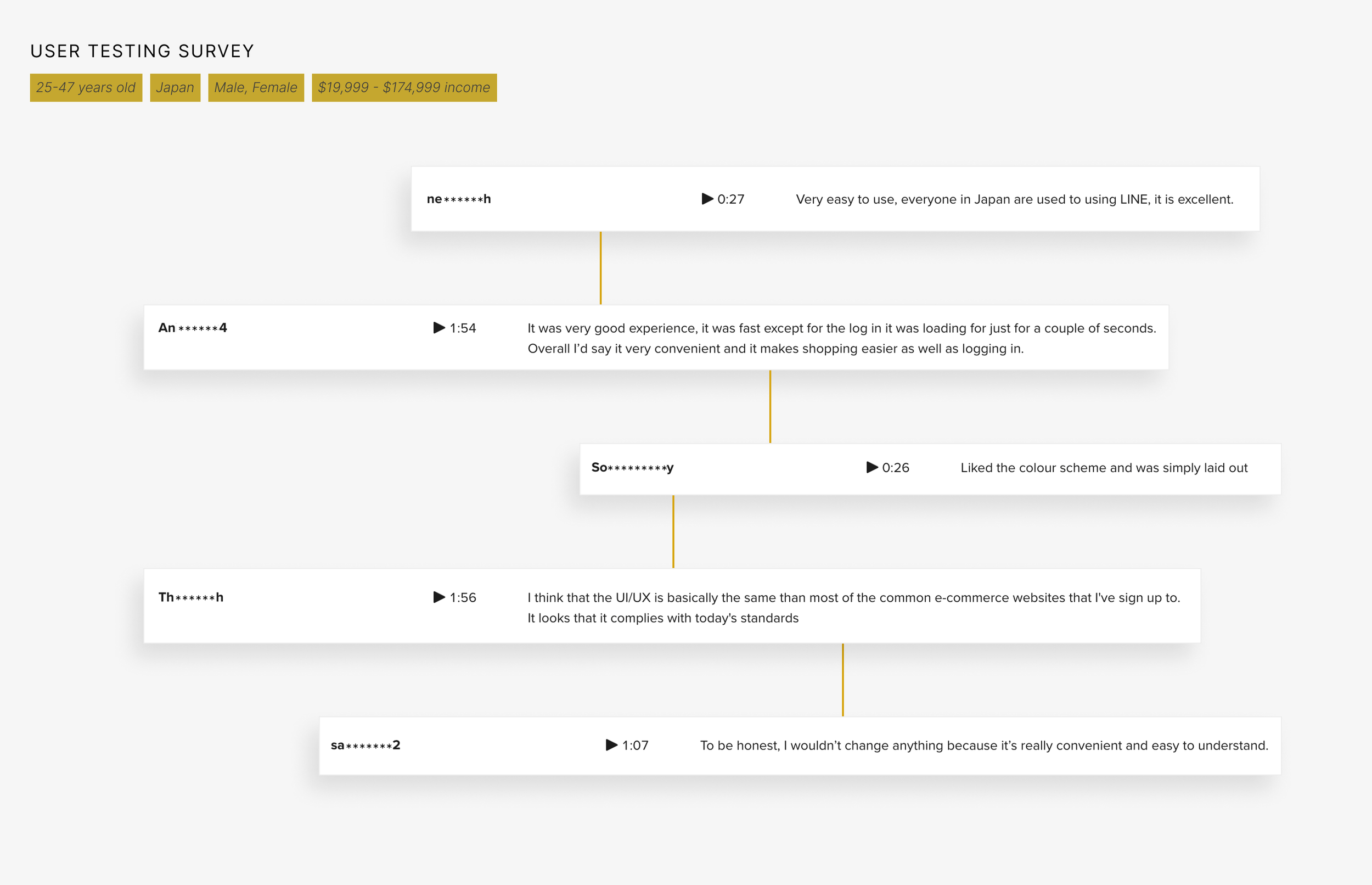
User Preference: Post-launch surveys indicated an 85% satisfaction rate regarding the ease of "One-Tap" entry compared to the previous legacy credentials.
03
System Efficiency & LatencyLatency Improvement: Reduced average authentication load times from 4.2 seconds to 1.8 seconds, effectively bridging the gap between legacy database calls and the new modern frontend.
Error Rate Reduction: Decreased "System Timeout" errors during peak traffic periods by 55% through optimized API orchestration between regional affiliates.
Support Tickets: Observed a 30% decline in "Account Access" related customer support inquiries within the first 90 days of implementation.
testimonial“Her attention to detail is remarkable, ensuring that every task is completed with precision and care. Beyond her technical skills, she consistently creates a positive and supportive work environment, making collaboration effortless.”